

Rebuilding the Foundations of Nextt's Website
Service and campaign pages
Across supported living, hospital care, switching providers, and referral partners.
Website uptime maintained
Supported by daily monitoring, updates and verified backups.
Audiences, 1 website
People seeking support, participants and support coordinators.
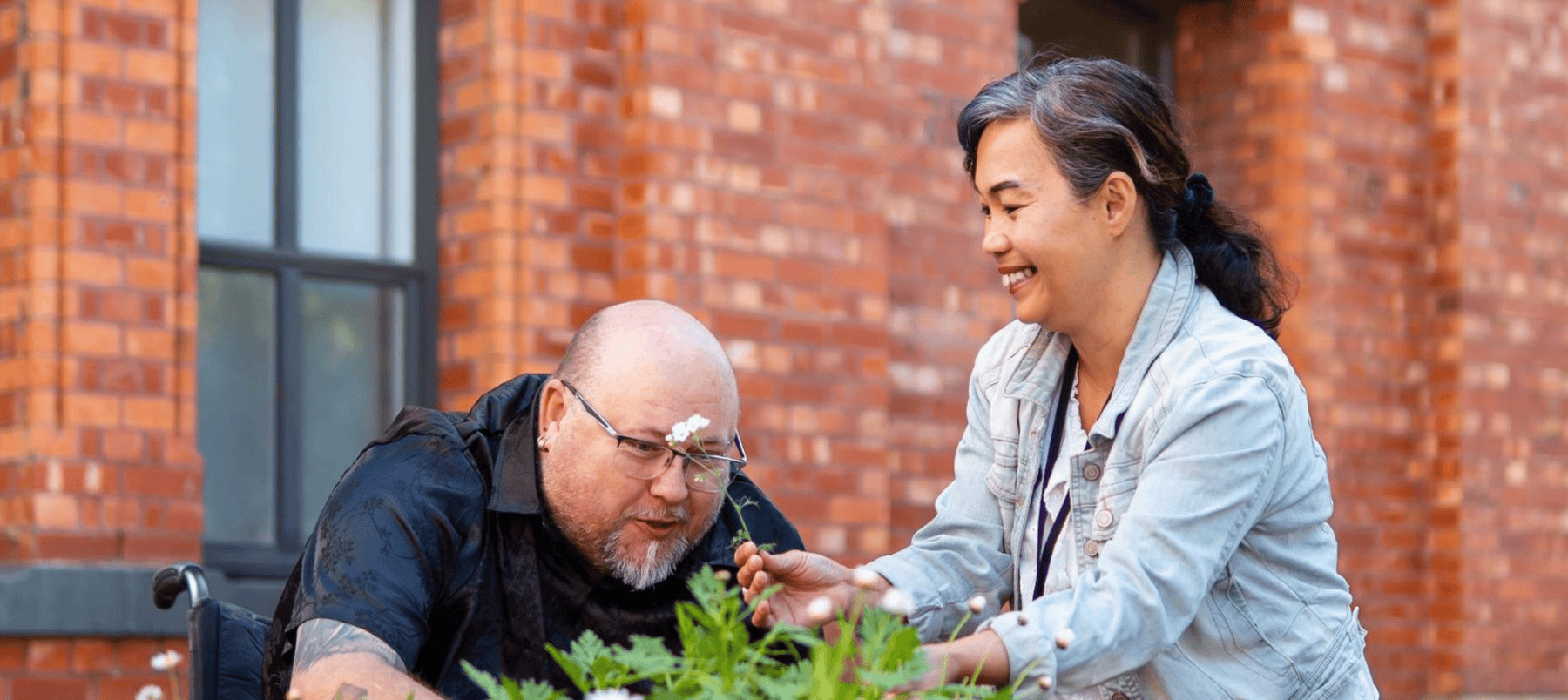
Nextt supports people with disability and mental health needs across Australia, helping them live independently and recover after hospital. Disability and mental health providers carry the same build requirements as any other healthcare website: accessible forms, privacy-first data handling, and content people can follow under stress. Three very different people use its website: someone seeking support for the first time, a participant managing their own plan, and the support coordinator who decides where they get sent.
They find Nextt before they ever speak to anyone at Nextt. But the moments that bring people there, leaving hospital or weighing up a change of provider, had no page of their own.
See Our Solutions


A support provider competes on being trusted and on being easy to deal with. The website was making both harder than they needed to be.
- No safe or systematic way to improve the site. Backups had never been verified, there was no documented route from a request to a live change, and no audit had been turned into a prioritised fix list.
- A site carrying more than it needed. Unused plugins and themes still installed, and known errors left in place.
- Service pages that didn’t match how people arrive. Someone leaving hospital or looking for core supports had no page at all, and the pages that did exist weren’t built for the moment that brought someone to them.
- Nothing built for people already with a provider. In a market where participants can switch, there was no route for anyone considering it.

Phase 1: Making the site safe to work on
Nothing could be built until changes could be made without risk. The first month went on the unglamorous part.
- Discovery documented across the site stack, plugins, hosting and analytics, with access confirmed across every system
- Staging environment set up and blocked from public access and indexing
- Ticket process, comms channel and escalation path agreed and shared
- Technical SEO audit completed, turned into a prioritised fix list, and the high-impact items resolved
- Unused plugins and themes removed
- Security hardened and backups verified, with scanning and a documented restore process
- A monthly report issued to the client, showing what changed and what the monitoring caught
Phase 2: A page for every service line
Someone looking for supported accommodation and someone leaving hospital are not the same person, and a single services page cannot speak to both. Each service line was given its own page, written for the moment that brings someone to it.
- Supported Independent Living service page rebuilt
- NDIS Core Supports page built
- Hospital to Home page built, aimed at people leaving hospital and needing care at home
- Location-based property templates built by Local Government Area, so accommodation could be found where people actually live
Phase 3: Reaching people who already have a provider
Most providers only build for people arriving with a new plan. A large part of the market is already with someone else.
- A dedicated campaign page built for participants considering a change of provider, with supporting variants and tools
- The Core Supports retargeting page rebuilt
- A reusable profile page template for the business development team to use with referral partners
- Ongoing website maintenance throughout, keeping WordPress current across two major releases

The site may look much as it did when we started, but the way it works has changed.
It can now be updated safely, it no longer carries unused plugins and unresolved errors, and whether someone is looking for accommodation, leaving hospital, managing their own plan or considering a change of provider, there is now a page built for that moment.
Choosing a disability support provider is never casual, and it rarely happens at a convenient moment. A provider is judged on whether it can be found and understood at that moment, and that judgement happens on the website, before anyone picks up the phone.