

A Faster, Easier-to-Manage Website for Plus Studio
Faster Pages on Phones
Main content now shows in 2.3 seconds, down from 10.
Faster Loading on Desktop
Content now starts appearing in about a second, down from 3.4.
Improvement in Technical Health Score
From 54 on the old site to 89 on the new one.

Plus Studio, formerly Plus Architecture, is an architecture and design practice with 11 studios across Australia and New Zealand. Its website is where clients, partners and future staff go to see the work.
However, the site was built on Kirby, a niche platform that needed a specialist developer for most changes. It was slow, and it went down at times. Plus Studio needed a website its own team could run, without losing the design that set it apart.
See Our Solutions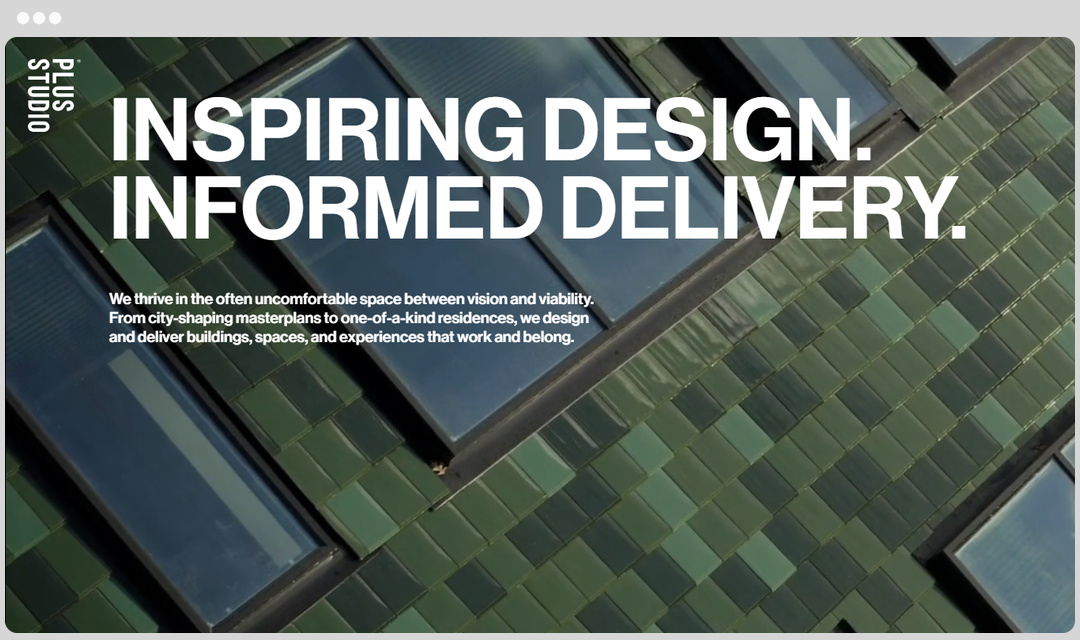
For an architecture practice, the website is often the first place a client sees its work. Plus Studio’s site was hard for the team to update, slow to load and offline at times, and its homepage said little about the practice.
- A platform the marketing team couldn’t run on its own. Kirby is a niche system that stores content in files rather than a database, so changes beyond simple edits relied on specialist developers.
- A homepage with little to read. The old homepage was a single full-screen animation of links to other pages. It didn’t explain who Plus Studio is or what it does, so visitors and Google had little to go on.
- Slow on every device. On phones, the main content took 10 seconds to appear, and the site failed Google’s Core Web Vitals on mobile and desktop.
- Intermittent downtime. The site dropped offline at times, on hosting the practice did not control.
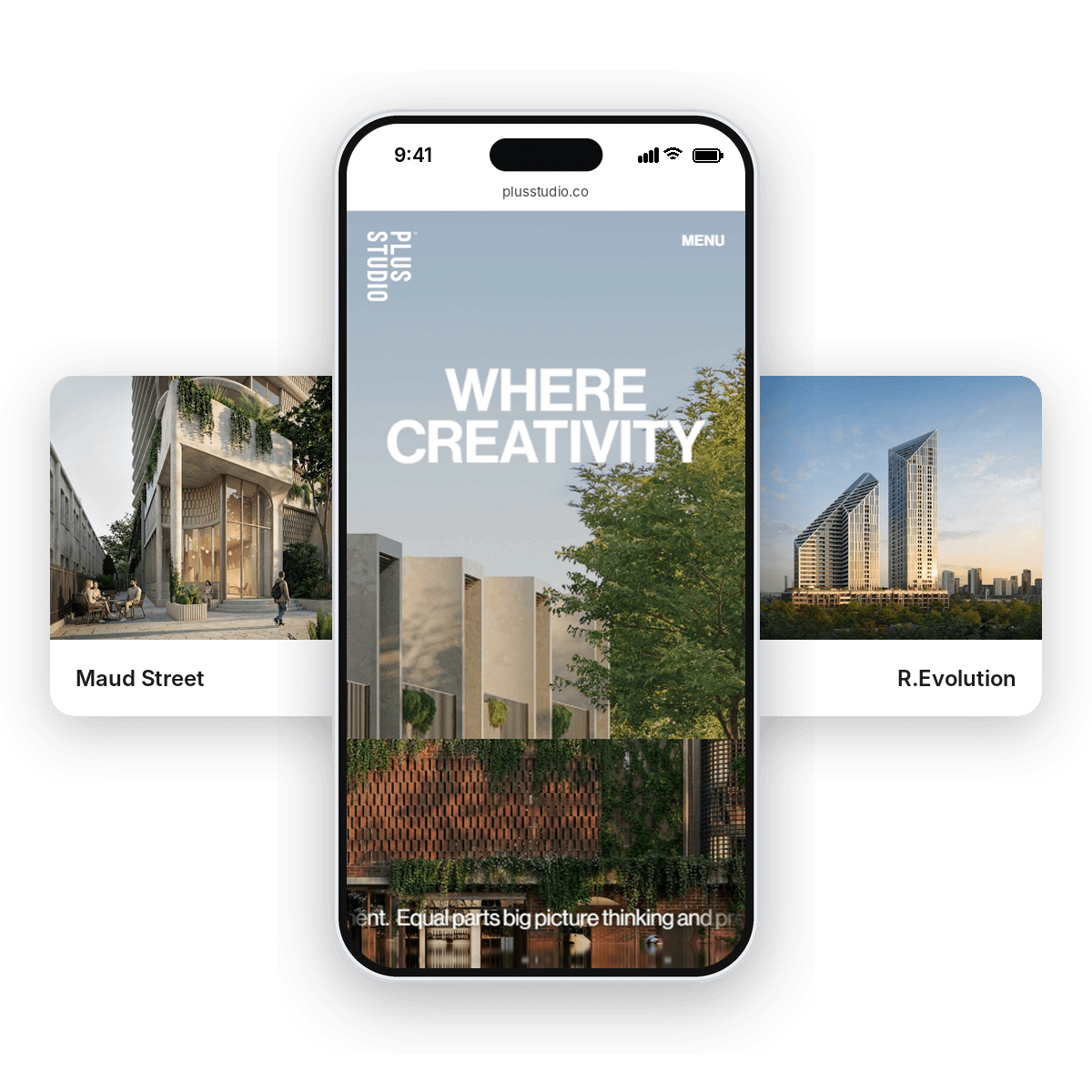
We started with a Website Care Plan to keep the old site stable, then rebuilt it on WordPress and planned the switch to protect search visibility. Plus Studio has since moved to a Website Scale Plan, which added weekly performance tracking and ongoing improvements to the site.
1. Keeping the old site running while the new one was built
The rebuild would take months, so the existing site had to stay online and usable in the meantime.
- Urgent fixes and monthly maintenance through a Website Care Plan
- Slow-loading and downtime incidents investigated and fixed at the server
- Unnecessary server load removed, including logging that ran on every page request
2. Rebuilding rather than patching
The question was whether to keep patching the existing platform or rebuild. We set out both options, then recommended the one that would serve marketing best.
- Fixes on the existing platform and a full WordPress rebuild costed side by side
- WordPress recommended for its flexibility, its search capability and how easily the team can edit it
- Most of the existing front-end design carried over, so the brand stayed intact and the cost stayed down
- Speed, stability, search and content baselines recorded before anything moved, including a target to show the main content on phones in under 4 seconds
3. Building a site the marketing team can run
Every template was rebuilt so the marketing team could manage content in WordPress without a developer.
- Homepage rebuilt from one full-screen animation into six content blocks. Visitors now see who Plus Studio is, featured projects, disciplines, sectors and the latest journal articles, then a way to contact a studio
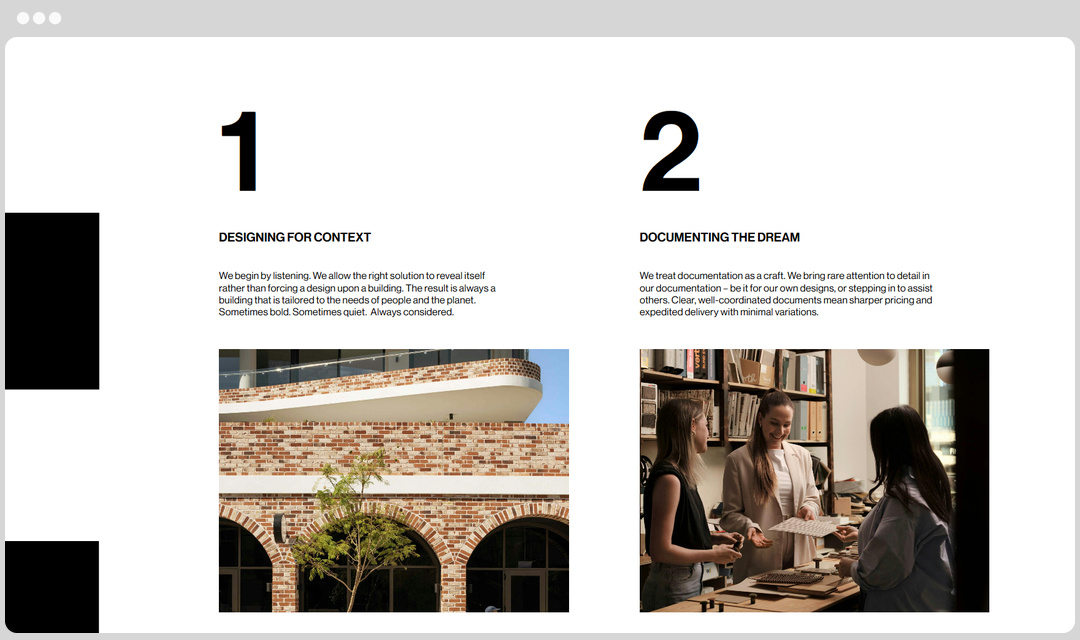
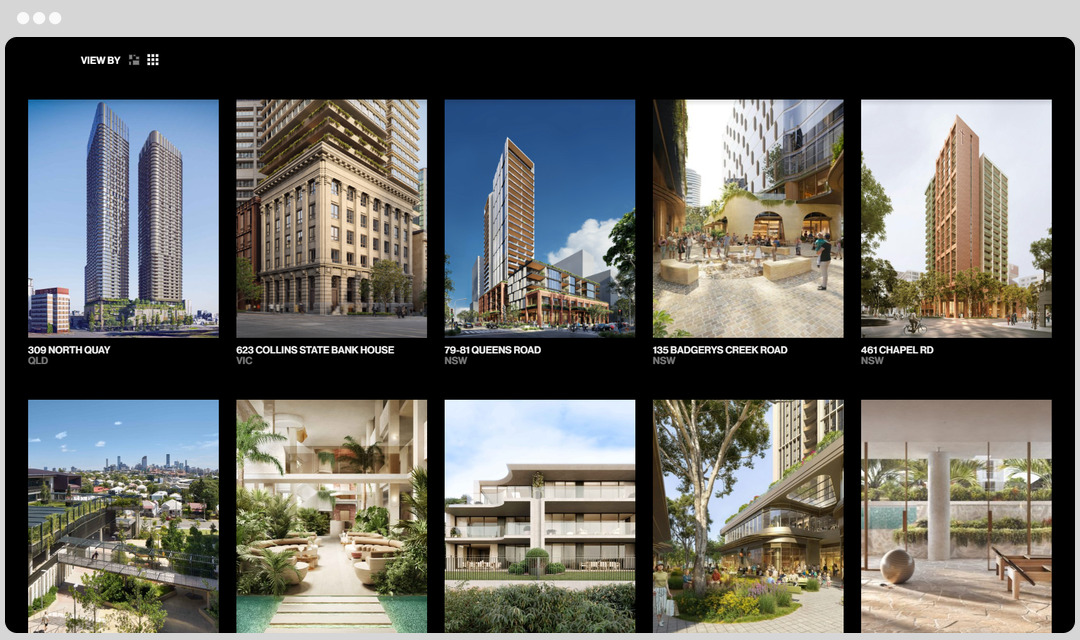
- Templates built for Why Plus, What We Do, Our Work, project pages, Our People, people profiles, Journal and Connect
- Project, people and journal content moved into the new structure
- Search markup added so Google understands the practice, its services, people and journal articles
- Images served directly from WordPress, removing the need for a paid image service
- Each template tested across desktop, tablet and mobile before launch
4. Switching to the new site safely
A migration is where most sites lose search visibility. The launch was planned step by step to avoid it.
- The new site set up and tested on faster managed hosting that Plus Studio owns
- A full backup of the old site taken before the switch
- Old URLs redirected to their new equivalents
- Domain, security certificate and caching switched over in one planned launch window
- Broken links cleared and the sitemap rebuilt with no URLs returning errors
- A post-launch review with the marketing team, with the remaining layout fixes worked through
5. Moving to a Website Scale Plan
The Website Scale Plan added weekly measurement, so the marketing team could see how the site performs before and after launch.
- Weekly tracking of enquiries, traffic and search performance started before launch so there was a clear before and after
- A live dashboard built around the marketing team’s own reporting framework: audience, brand search, content and enquiries
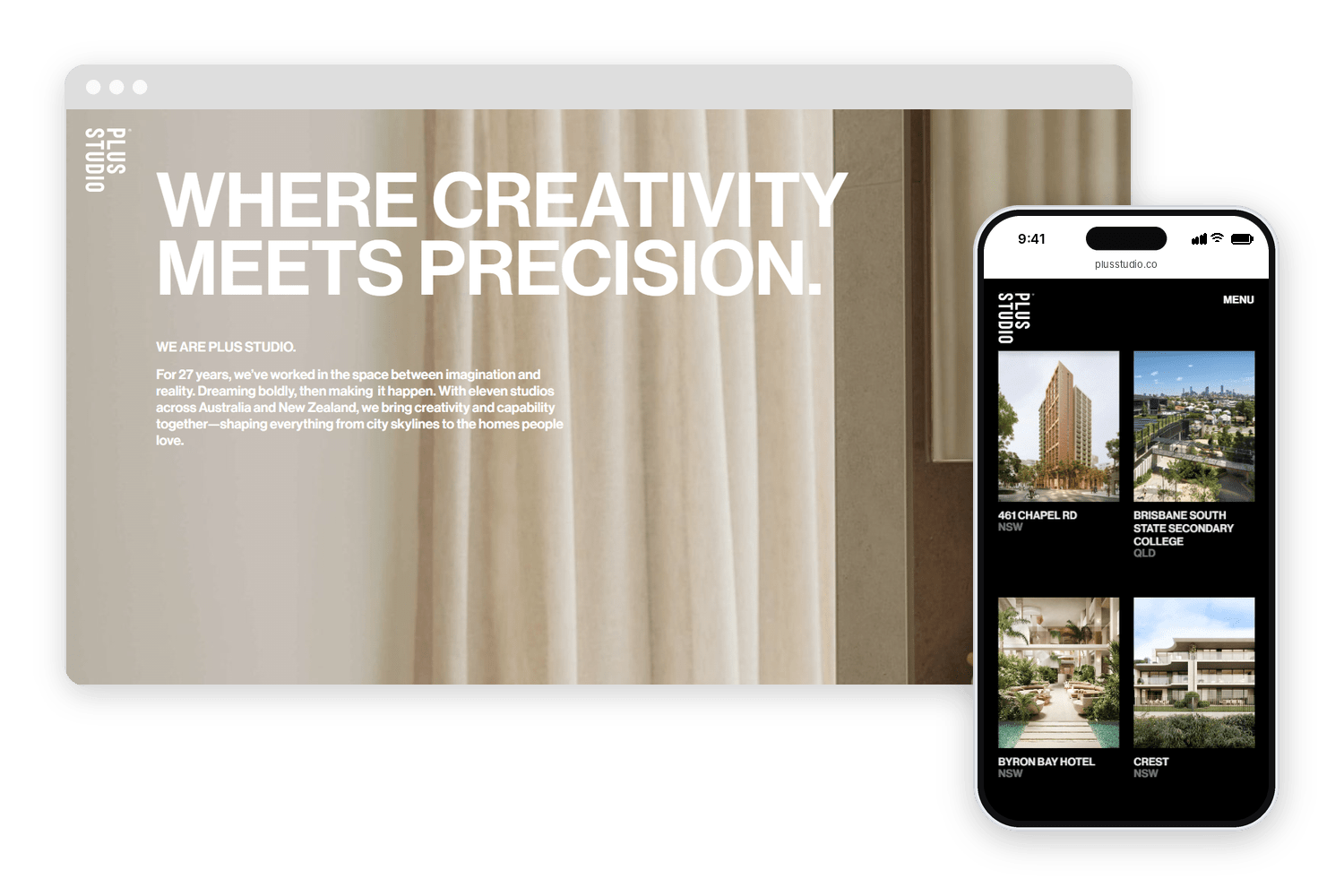
Plus Studio came to us with a website that needed a specialist developer for most changes.
Today, they have a faster WordPress site built for their marketing team to manage, a homepage that explains the practice, hosting in their own name and weekly reporting on how the site is performing.
The work has continued since launch. Plus Studio sets the direction while we look after the technical side, keeping the site fast, secure and reliable. We monitor performance, address issues early and recommend improvements based on what the data tells us.