Headless CMS Developers Melbourne
Give your marketing team a faster site and real control of content. Our Melbourne headless CMS developers build on the platform that fits your business, then make it perform and scale.
- Platform-agnostic headless development
- Faster content and campaign delivery
- SEO and performance built in
Book a Strategy Call

100+ 5 Star Reviews










The Results Behind Every Website We Build
From faster load times to stronger search visibility and conversions, see what our recent web work has delivered and the standards we bring to headless development.



Our Headless Website Development Services in Melbourne

Custom Headless CMS Development
Built around your content and integrations on the platform that fits, from Payload and Sanity to headless WordPress.

Headless Front-End Development
Modern front ends in Next.js, Astro or React, with responsive design and rendering tuned for strong Core Web Vitals.

Content Modelling & Editing
Reusable content structures shaped around your editors, so they create, update and reuse pages without a developer.

Content & Data Migration
Content, URLs and redirects moved carefully off your legacy CMS, protecting your SEO signals and minimising disruption.

API & Third-Party Integrations
Your CRM, ecommerce and marketing tools connected through clean APIs, so content and data move without manual work.

Multi-Channel Content Delivery
One content source powering your sites, brands, apps and channels, so your team stays consistent without duplicating work.

Headless Ecommerce Development
A faster storefront on your commerce platform, with real control over product content and a journey that converts.

SEO & Performance Optimisation
Rendering, crawlability, structured data and Core Web Vitals handled together, so your site stays fast and search-friendly.

Ongoing Support & Maintenance
Updates, security, monitoring and new development handled after launch, so your platform keeps pace with your campaigns.
Who We Build Headless CMS For
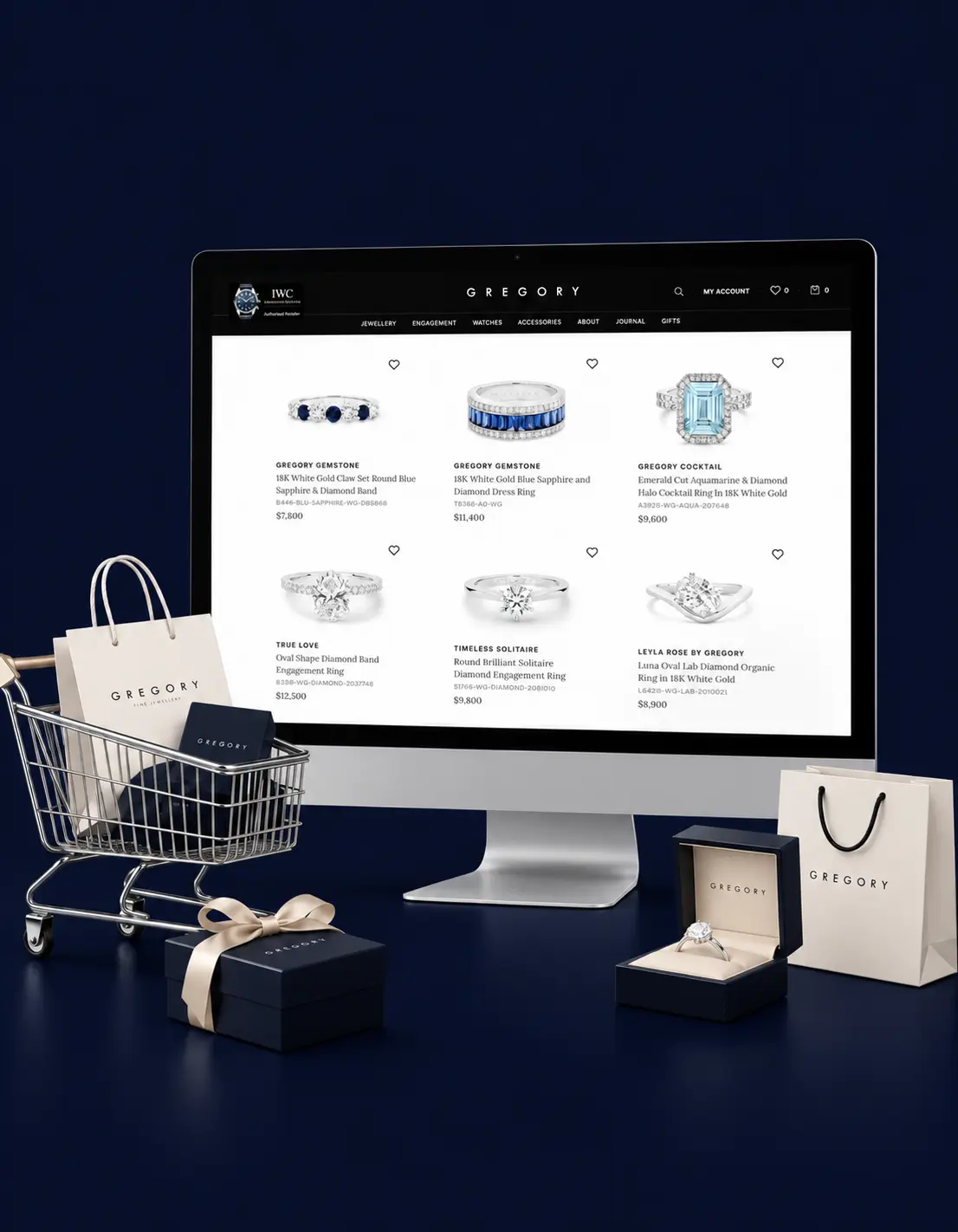
Who We Build Headless CMS For
Headless is worth considering when your CMS starts slowing down publishing, integrations or growth across more than one digital experience.
It is usually a strong fit for:
- Multi-site and multi-brand teams managing shared content from a single source
- Content-heavy businesses publishing frequently with complex editorial workflows
- Multi-channel teams delivering content across websites, apps and other digital channels
- Integration-heavy platforms connecting CRM, ecommerce, inventory, search or internal systems
- Ecommerce brands needing more control over the storefront and customer experience
- Businesses with custom frontend needs that a traditional CMS struggles to support
- Teams expanding into new markets without wanting to rebuild the content operation each time
Plans & Packages for Melbourne Businesses
Care Plan
Your website stays stable, secure, fast, tracked and continuously improved.
From $2,500/month
- From 20 development hours per month
- Monthly core, theme & plugin updates
- Security checks, malware prevention & spam clean-up
- Scheduled backups (off-site)
- Uptime and server health monitoring
- Staging environment + manual QA testing
- Priority bug fixes & site improvements
- WPO Platform monitoring, included
- 1-hour emergency response SLA (P1, 8am–8pm)
- Phone & email support
- Emergency support when needed
- Monthly maintenance report
- Dedicated monthly development and improvements (beyond core maintenance)
Scale Plan
Your website becomes the growth engine your marketing team can finally rely on.
From $5,000/month
- Everything in the Care Plan, plus the growth engine
- From 40 development hours per month
- Dedicated delivery pod: PM, developer, QA, UX/UI
- Kickoff, monthly sprint planning, weekly delivery cadence
- Signed-off 90-day roadmap
- Speed and Core Web Vitals optimisation
- Advanced tracking: GA4, GTM, pixels, events, attribution hygiene
- Behaviour insights: heatmaps, session recordings, Microsoft Clarity
- Landing page optimisation & UX optimisation
- CRO: conversion leaks, trust, CTAs, funnel friction
- Technical SEO, AEO and AI search visibility
- Direct collaboration with your marketing agency
- Quarterly Business Review with a commercial strategist
- Monthly performance scorecard: 5 to 6 agreed metrics
Enterprise Plan
One accountable team running every website, with the reporting your executives need.
From $10,000/month
- Everything in the Scale Plan, plus enterprise-grade depth and access
- From 80 development hours per month
- One accountable team across every website
- Named Account Director (relationship & strategy ownership)
- Weekly delivery cadence and WIP meeting
- Board-ready monthly reporting: progress, risk, next steps
- 12-month roadmap governance, reviewed quarterly
- Release governance and change control
- Custom integrations and backend development
- ERP, CRM and third-party system support
- Vendor risk assessments completed on your behalf
- ISO 27001 and SOC 2 readiness support
- Direct access to developers, fewer layers

“We've worked with a lot of agencies over the years, and I can confidently say that WP Creative are hands down the best development agency we've worked for.”
Scott Roberts
Creative Director, Studio Helm
“They were really good in terms of their ability to deliver. Their working style, their collaboration style, and also they're very cost effective.”
Pete Williams
Founder, Deloitte Digital
“With their help, our two large, content-heavy news websites now rank as A's on GT metrics with greatly increased speeds.”
Mark Brown
Founder, Engage Media
“They helped us redesign our website and have introduced a number of features as part of that website, which have really made us reach the goals.”
Joydeep Hor
Founder & Managing Principal, People + Culture Strategies
Why Melbourne Businesses Choose Us for Headless CMS Development
A headless build should do more than modernise your tech stack. It should give your team a website that’s easier to market, manage and grow. That’s what we build for.

Marketing-Led, Not Just Technical
Technical decisions are made with your campaigns, customer journeys and business goals in mind, so the platform supports marketing as well as development.

Security Across the Stack
Headless keeps your CMS separate from the public-facing site, while secure APIs, access controls and careful configuration help protect content, users and connected systems.

Best-Fit Platform, Not Default
We assess your content, integrations and long-term needs before recommending Payload, Sanity, Contentful, headless WordPress or another suitable stack.

Built Around Your Editors
Content models, reusable blocks and preview workflows are shaped around how your team publishes, making everyday updates easier without constant developer involvement.

Performance Without SEO Trade-Offs
A faster front end should not create new search problems. Our developers and SEO team work together on rendering, crawlability, structured data and Core Web Vitals.

One In-House Team
Design, development and SEO work together on the same project, keeping content, UX, performance and technical decisions aligned from the start.

Faster Launch, Less Friction
Clear technical decisions, reusable components and close collaboration keep the build moving, while staging and proper testing help prevent rushed fixes near launch.

Built to Scale, Not Rebuild
Flexible content structures and clean APIs make it easier to add new brands, regions, integrations and channels as your digital needs become more complex.
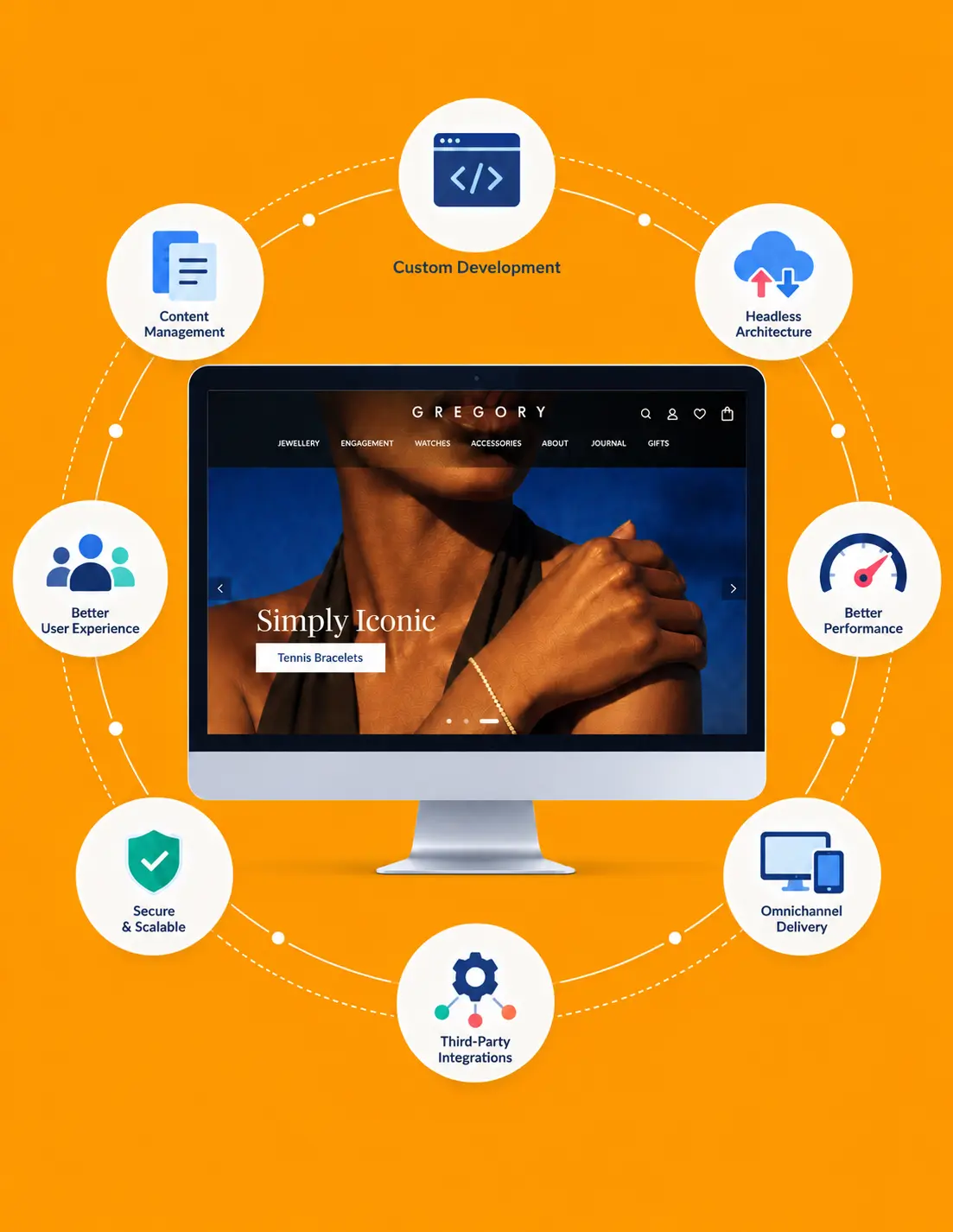
Headless CMS Development Agency in Melbourne
Choosing a headless CMS agency is a bigger decision than choosing who builds the front end. Get the architecture, content model or migration wrong and you can end up with a platform that is expensive to change and frustrating for your team to use.
We look beyond the code from the start. Your editors need a CMS they can work with, your systems need to connect cleanly and important SEO signals need to carry through the move.
Our designers, developers and SEO team work together, with the platform chosen around your requirements rather than our preference. That could mean Payload, Sanity, Contentful, headless WordPress or something else entirely.
The result is a headless setup your marketing team can actually run, with clear ownership of the custom code and a platform another capable team can understand if your needs change later.
What's Included in Every Headless Build
What's Included in Every Headless Build
Everything needed to launch properly, hand over cleanly and keep the platform manageable after go-live.
- Headless fit review. We assess whether headless suits your content, workflows and internal team.
- Content model planning. We map content types, fields and relationships around how your editors work.
- Custom front end. Built in Astro, Next.js, React or the front-end stack that best fits the project.
- SEO migration planning. Important URLs, redirects and links mapped carefully to help preserve key SEO signals.
- Performance testing. Core Web Vitals and key speed metrics tracked throughout development.
- Integrations connected. Your CRM, ecommerce and marketing tools connected and tested before launch.
- Secure configuration. APIs, permissions, access controls and environments set up for the chosen architecture.
- Staging and team training. Your team reviews the build, tests real content and learns the publishing workflow before go-live.
- Ongoing development support. Updates, improvements, new features and technical support as the platform evolves.
AI-Powered, Human-Led Headless Development
AI has changed how fast a website can be built, but not who should be steering it. Every project still starts with people.
Before development begins, our designers create the experience in Figma around your brand, audience and how your team publishes. No generated layouts and no handing creative decisions over to AI.
Once the design is approved, we build on the CMS and front-end stack that fit the project. AI helps with repetitive development work, while our developers stay responsible for architecture, integrations, performance, security and code quality.
After launch, your marketing team can use AI to help draft, organise and update content faster, while keeping control of what gets published.
You get the speed of AI, with experienced people still making the decisions that matter.


Discovery & Fit Check
Our team maps your content, channels, integrations and publishing workflow, then pressure-tests whether a headless CMS build genuinely fits your goals. If a simpler approach would serve you better, you hear that before development begins.

Scope & Roadmap
With that picture clear, we set out platform choice, scope, timeline and cost, so there are no grey areas before you commit. Most headless projects run eight to sixteen weeks, and every milestone is agreed with you up front.

Content Architecture
Our headless developers design your content model as reusable types, fields, relationships and permissions, shaped around how your editors work. A strong model lets your team reuse structured content across sites, apps and other channels.

Design & Editorial Workflows
Our designers create the customer-facing experience in Figma around your brand, audience and campaign goals. At the same time, we shape previews and publishing workflows so your team can manage content easily and keep the editorial flexibility they need.

Front-End Build
Once designs are approved, front-end development begins in Astro, Next.js or React as reusable components, with rendering and Core Web Vitals targets set early. Performance is built in from the first commit.

Integrations & Migration
Next, we connect the CMS with your CRM, ecommerce platform and marketing tools using the integration methods each system supports. If you are replatforming, we migrate content and metadata, map redirects and carry important SEO signals into the new website as carefully as possible.

Testing & Training
Before launch, our team tests on staging across devices, browsers and integrations, while your content editors work with real content. They learn publishing, previews and approvals before go-live, so the CMS feels familiar on day one.

Launch & Support
After sign-off, our headless CMS developers deploy to your chosen hosting environment and complete final SEO, performance, security and integration checks. Your team keeps full control of the custom code, while we can continue supporting updates, new features and the platform as it grows.
Professional, responsive and skilled
Book a Meeting
WP Creative has been great to work with – professional, responsive, and skilled in what they do.


Headless Fit Review
We look at your current website, content workflow, integrations and performance, then assess whether headless will actually solve the problems you are facing. You leave with a clear yes, no or not yet.

Platform & Growth Roadmap
We map the CMS, front-end approach, content structure and integrations around your marketing goals and future plans. You leave knowing which direction makes sense before committing to a build.

Scope, Timeline & Investment
We turn that direction into a practical delivery plan covering the recommended stack, project scope, milestones, timeline and pricing. Everything is clear upfront, with no lock-in contract attached.

“Of all the agencies we've worked with, WP Creative is the best, hands down.”
Scott Roberts
Creative Director, Studio Helm
Headless CMS Developers Melbourne FAQs
Got a question about our Headless CMS Development services? We’ve got answers!
With a traditional CMS, your content and the website front end live closely together in the same system. It is straightforward, but it can become limiting when you need more control over the front end or want to use the same content in different places.
A headless CMS separates the content layer from the front end. Your content stays in the CMS and is delivered through APIs to your website, mobile app or another digital channel. One source of content can then support experiences across multiple channels without recreating it each time.
Want a closer look at the differences? Read our guide to headless CMS vs traditional CMS.
There is no single best headless CMS. The right platform comes down to your content, integrations, hosting requirements and how your team wants to work day-to-day.
We work across popular headless CMS platforms including Payload, Sanity, Contentful, Strapi, Hygraph and headless WordPress. For example:
- Payload and Strapi suit teams that want open-source CMS options with the flexibility to self-host.
- Sanity can suit teams that want a highly customisable editing experience shaped around their content workflow.
- Contentful can suit teams looking for a managed platform with structured content and mature integrations.
- Hygraph can suit teams managing complex content structures across regions, brands or larger global projects.
- Headless WordPress can make sense when your team already knows WordPress and wants to keep working within its large ecosystem.
We assess your requirements first, then recommend the platform that genuinely fits.
If you’re also comparing options outside Melbourne, explore our Sydney headless CMS development services.
Our custom headless CMS projects start from $15,000. The final investment depends on the design, content complexity, integrations, migration and custom functionality involved.
For ongoing development and support after launch, our plans start from:
- Care Plan: $2,500/month
- Scale Plan: $5,000/month
- Enterprise Plan: $10,000/month
A straightforward marketing site will cost less than a multi-brand or ecommerce platform with complex integrations. We scope the work before development so you know what is included and where the investment is going.
For more details, check out article on “How Much Does a Website Cost in Australia“
It depends on what needs to be designed, built, migrated and connected.
A smaller headless site with a simple content model will move faster than a project involving ecommerce, large datasets, complex integrations or multiple websites. Content preparation and internal approvals can affect the timeline too.
We set the delivery plan during discovery, once we understand the actual scope rather than giving every project the same estimate.
Need to get a website live faster? Our AI website development services in Melbourne and across Australia use AI-assisted workflows to speed up parts of the build while keeping strategy, design and technical decisions human-led.
A well-built headless site can perform very well in search, but SEO has to be planned into the development process.
Search engines still need crawlable pages, correct metadata, internal links, structured data, canonicals and sitemaps. Migration deserves particular attention too. Missed redirects, changed URLs or lost metadata can hurt organic visibility.
That is why our SEO and development teams work together before launch rather than trying to fix those issues afterwards.
It depends on the systems involved. A headless CMS can connect with your CRM, ecommerce platform, inventory system or marketing tools through APIs, webhooks or integration services.
Some platforms use REST or GraphQL APIs, while others have their own connectors or middleware. We first map how content and data need to move across multiple platforms, then build the integrations around those requirements.
The goal is simple: keep each platform doing what it does best, while content and data move between them reliably without creating unnecessary manual work.
It can reduce some forms of exposure because the public-facing front end is separate from the CMS. Visitors interact with the website rather than directly with the content management system.
But headless is not secure by default. APIs, authentication, permissions, dependencies, hosting and ongoing updates still need to be managed properly.
We look at security across the whole stack rather than treating headless architecture itself as a security guarantee.
Headless can reduce some security risks, but WordPress can also be highly secure when it is built, maintained and updated properly. We’ve worked with WordPress for more than 10 years, and businesses that prefer a traditional WordPress setup can also work with our WordPress developer Sydney team for secure builds, maintenance and ongoing support.
We work across headless and traditional CMS setups, including custom WordPress development, headless WordPress, CMS migrations, integrations and ongoing development.
If headless would add more complexity than value, we can recommend a simpler CMS approach instead.
The biggest benefit is flexibility. A well-planned headless setup can give you:
- one source of content for websites, mobile apps and other channels
- more control over front-end performance and functionality
- cleaner connections with CRM, ecommerce and other business systems
- more flexibility to support new brands, markets and digital channels
- an editing experience shaped around how your content team works
For a simple website with straightforward content needs, those benefits may not justify the added complexity. Headless becomes more valuable as your content, integrations and digital ecosystem grow.
Book a free consultation with our team. We’ll talk through your goals, current setup and whether headless is the right fit, then outline the next steps.
Headless architecture tends to make the most sense when a standard CMS starts getting in the way.
It is worth considering if you manage multiple websites or brands, publish content across several channels, run ecommerce with complex integrations or work with large amounts of structured content.
It can also be a strong fit when your website needs deep connections with CRM, inventory, search or other software. If your requirements are simple and a traditional CMS can handle them comfortably, headless may add complexity you do not need.
Because there is usually more engineering involved.
Instead of working within one tightly connected CMS, a headless build brings together a separate front end, CMS, APIs, integrations and deployment setup. Content modelling and custom workflows can add to the scope as well.
That makes many headless CMS solutions closer to custom software development than a standard theme-based website. The extra investment makes the most sense when you genuinely need that flexibility.
Yes. Your marketing team should be able to manage everyday content without waiting for a developer.
We shape the content model, reusable blocks, previews and permissions around how your editors actually work. The goal is a user-friendly interface where your team can update copy, manage approved page sections and preview changes while our headless developers handle structural or technical work.
A technically powerful CMS is not much use if your content team finds it frustrating to use.
Headless gives developers more control over how the front end is built and delivered. Depending on the project, that can include server-side rendering, static generation, caching, image optimisation and tighter control over JavaScript.
Those choices can improve loading speed and Core Web Vitals, but headless does not make a website fast automatically. Hosting, third-party scripts, images and code quality still matter, so performance needs to be considered throughout the build.

© 2026 WP Creative, Naphix Pty Ltd. ABN: 65 610 345 198